
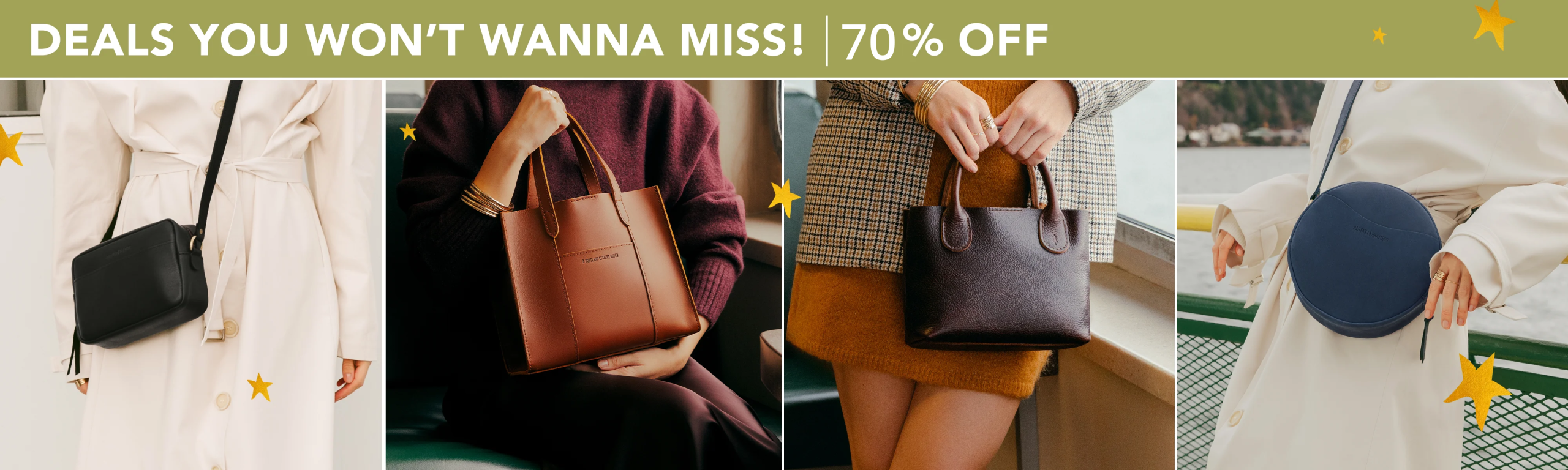
DEALS YOU WON’T WANNA MISS
70% OFF
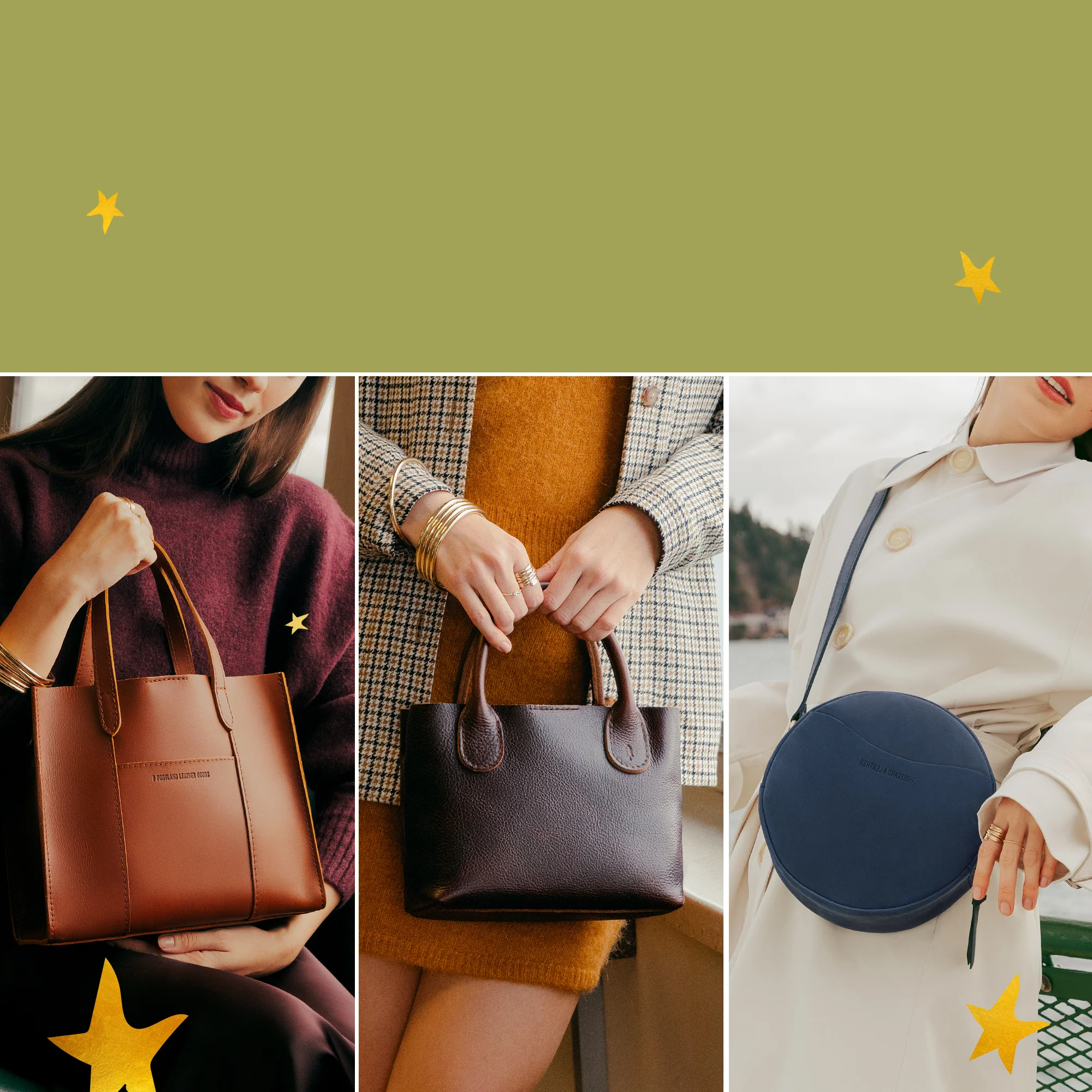

NEW ARRIVALS
Sale!
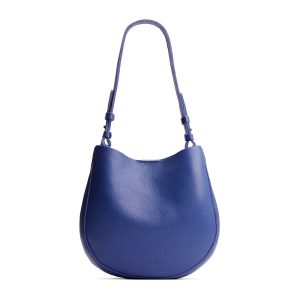
Leather Bags
Price range: $42.00 through $48.00
Sale!
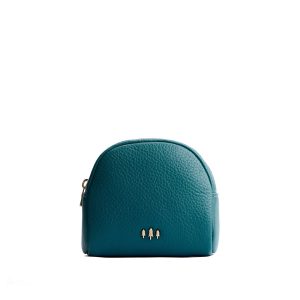
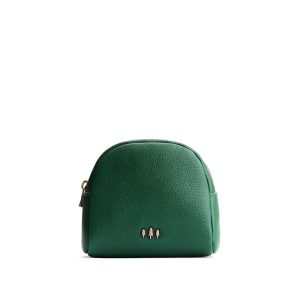
Small Goods
Original price was: $88.00.$19.20Current price is: $19.20.
Sale!
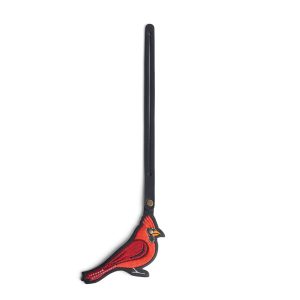
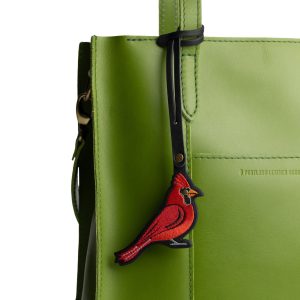
Small Goods
Original price was: $36.00.$7.20Current price is: $7.20.
Sale!
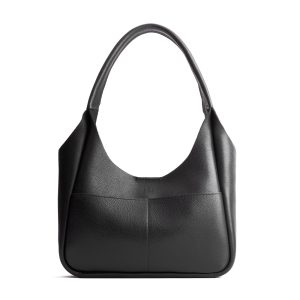
Leather Bags
Price range: $42.00 through $48.00
Sale!
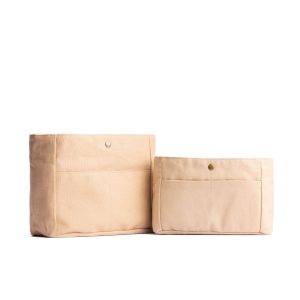
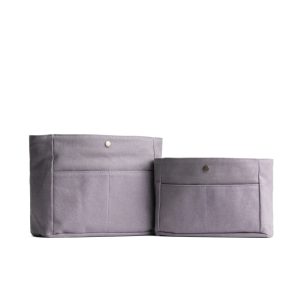
Leather Totes
Price range: $8.40 through $12.00
Sale!
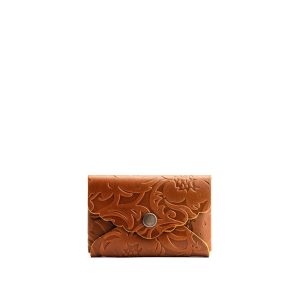
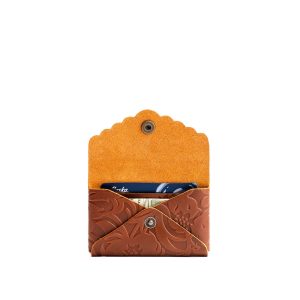
Small Goods
Original price was: $50.00.$8.40Current price is: $8.40.
Sale!
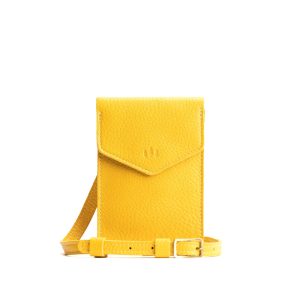
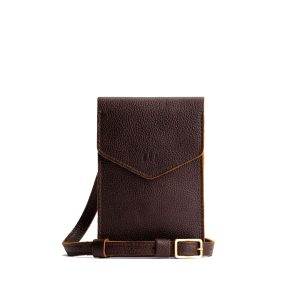
Crossbody Bags
Original price was: $155.00.$27.00Current price is: $27.00.
Sale!
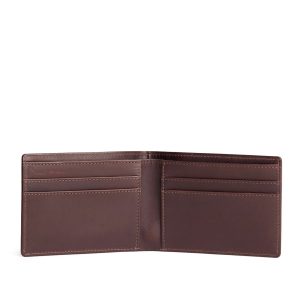
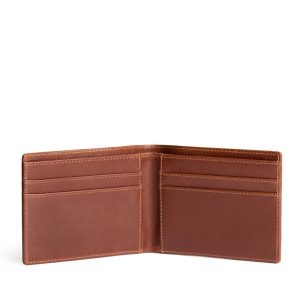
Price range: $16.80 through $19.20
Sale!
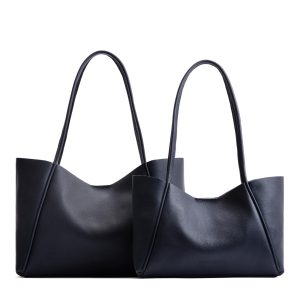
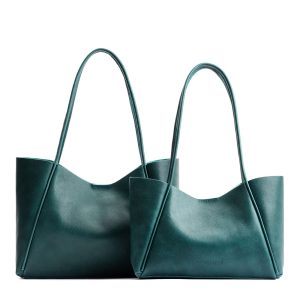
Leather Bags
Price range: $48.00 through $54.00
Sale!
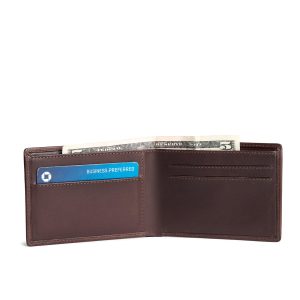
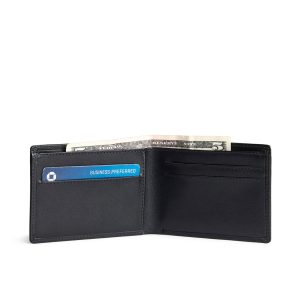
Original price was: $88.00.$19.20Current price is: $19.20.
Sale!
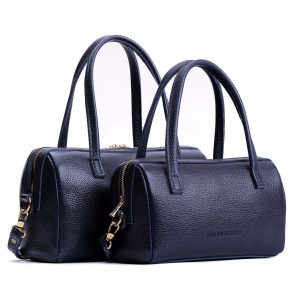
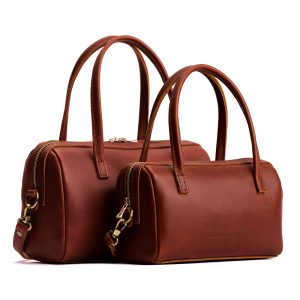
Crossbody Bags
Price range: $35.40 through $38.40
Sale!
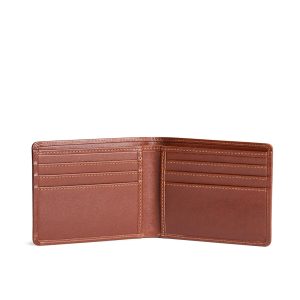
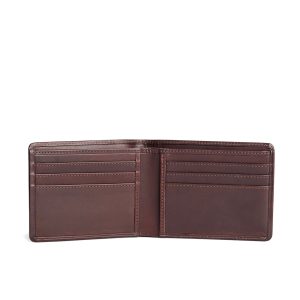
Mens
Original price was: $78.00.$19.20Current price is: $19.20.
Sale!
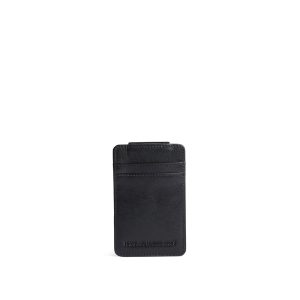
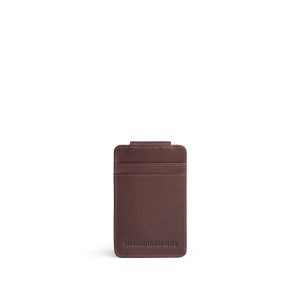
Mens
Original price was: $72.00.$14.40Current price is: $14.40.
Sale!
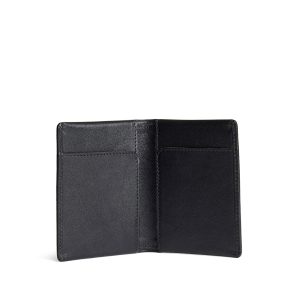
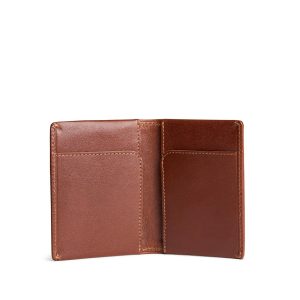
Mens
Original price was: $84.00.$16.80Current price is: $16.80.



OUR BEST SELLERS
Sale!
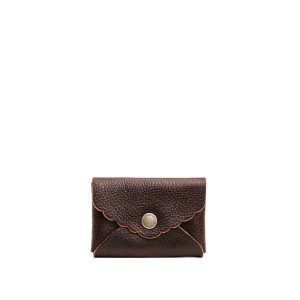
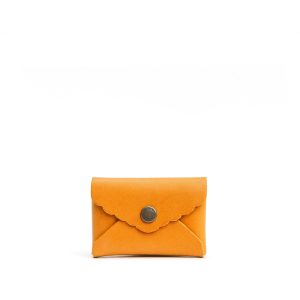
Leather Bags-Best Sellers
Original price was: $48.00.$7.20Current price is: $7.20.
Sale!
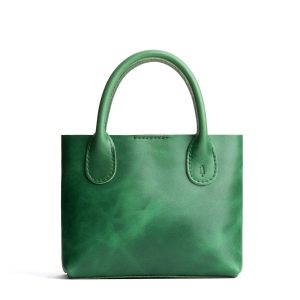
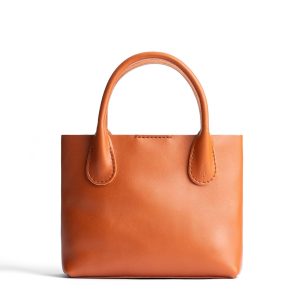
Crossbody Bags
Price range: $35.40 through $48.00
Sale!
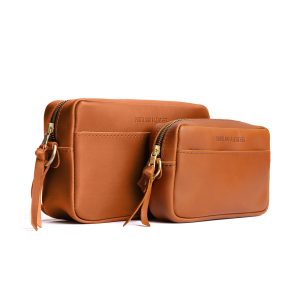
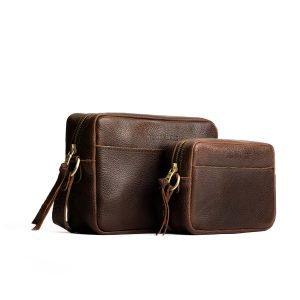
Crossbody Bags
Price range: $28.80 through $35.40
Sale!
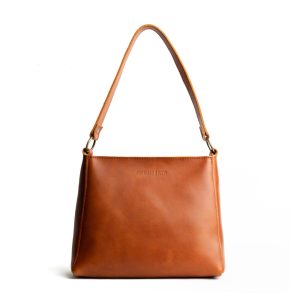
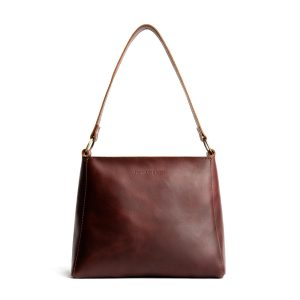
Leather Bags
Original price was: $260.00.$48.00Current price is: $48.00.
Sale!
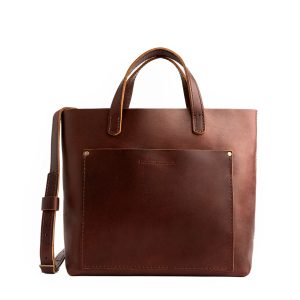
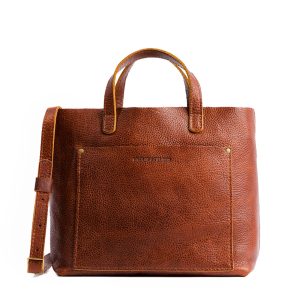
Crossbody Bags
Price range: $51.60 through $57.60
Sale!
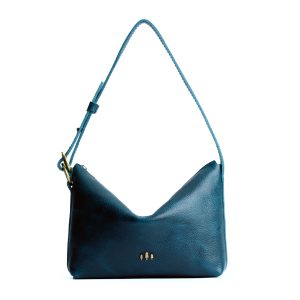
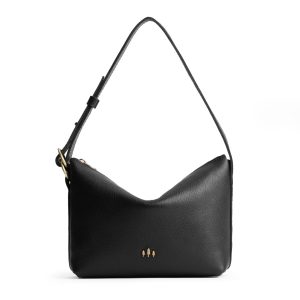
Leather Bags
Price range: $34.80 through $39.60
Sale!
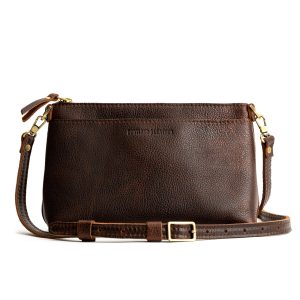
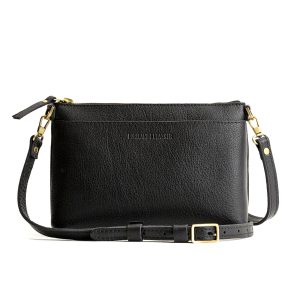
Crossbody Bags
Price range: $39.60 through $48.00


Classic Recommendation.
Lorem ipsum dolor sit amet, consectetuer adipiscing elit, sed diam nonummy nibh euismod tincidunt ut laoreet dolore magna aliquam erat volutpat.
The Stylistic Approach
Title: Beyond Utility: How the Right Handbag Defines Your Personal Style
Fashion is a language, and accessories are the punctuation marks that give a sentence its rhythm and meaning. Among these accessories, the handbag holds a unique position. It is often the first thing people notice and the last thing you pick up before leaving the door. While clothing sets the tone of an outfit, the handbag defines the character. Understanding how to utilize shape, color, and texture allows a woman to transform her aesthetic without changing her entire wardrobe.
The Psychology of Color
Color is the most immediate way a handbag influences an outfit. Many women default to “safe” colors like black or brown, believing they are the only shades that match everything. While neutrals are essential, they are merely the foundation. A vibrant handbag can act as a powerful focal point, breathing life into a monochromatic ensemble.
Imagine an all-white outfit: white trousers and a crisp white shirt. This look is clean but potentially stark. Add a structural bag in a deep emerald green or a fiery red, and suddenly the outfit conveys confidence and boldness. Conversely, soft pastel hues—blush pink, powder blue, or mint—can soften a severe look, adding a touch of femininity and approachability. Understanding color temperature is also helpful; cool-toned bags (blues, silvers, cool grays) generally pair well with silver jewelry, while warm tones (reds, oranges, browns) harmonize beautifully with gold accents.
Texture and Dimension
Beyond color, the texture of a handbag adds depth to an outfit. A common style mistake is wearing an outfit that is too “flat,” where all fabrics absorb light in the same way. A handbag is the perfect tool to introduce contrast.
If you are wearing a soft, knit sweater and matte trousers, a bag with a glossy patent finish creates a dynamic visual interest because it reflects light. Alternatively, if you are wearing a sleek, silk dress, a bag with a rougher texture—such as embossed leather, suede, or a woven design—adds a necessary grounding element. The interplay of textures suggests a sophisticated eye for detail. Even the hardware on a bag contributes to this texture. Chunky metal chains or oversized buckles can lend an edgy, industrial vibe to a feminine dress, creating a juxtaposition that is modern and chic.
Silhouette and Proportion
The shape of the bag plays a crucial role in balancing the body’s silhouette. The general rule of thumb relies on contrast. If you are wearing a flowy, bohemian maxi dress with a lot of movement, a structured, geometric bag prevents the look from appearing too messy. The rigid lines of the bag rein in the volume of the fabric.
Conversely, if you are wearing a tailored suit with sharp lines and strong shoulders, a slouchy hobo bag or a soft pouch can break up the severity of the outfit, adding a sense of ease. Scale is equally important. A petite woman carrying a massive, oversized tote can look overwhelmed, as if the bag is carrying her. A tall woman carrying a micro-mini bag might make the accessory look like a toy. Choosing a bag that is proportional to your body frame creates a harmonious visual balance that is pleasing to the eye.
The “Third Piece” Rule
Stylists often speak of the “third piece” rule. This concept suggests that an outfit needs three key elements to look finished (e.g., pants + top + jacket). However, in warmer climates or casual settings, a jacket isn’t always feasible. This is where the handbag steps in as the ultimate third piece.
A simple combination of jeans and a t-shirt is just clothes. Add a high-quality leather belt and a distinct handbag, and it becomes an outfit. The bag signals intent. It shows that you didn’t just throw on clothes, but that you curated a look. Whether it is a vintage-inspired satchel that adds a retro flair or a sleek, modern clutch that screams futurism, the bag provides the context for the rest of your clothing.
Conclusion
Style is not about rigid rules; it is about expression. The handbag is a versatile tool in that expression. It allows for experimentation with trends without the commitment of buying a new wardrobe. By playing with bold colors, mixing textures, and understanding the geometry of your silhouette, you can use your handbag to tell a different story every day. It is the finishing touch that says you are put-together, confident, and ready for whatever the day holds.